Routine Maintenance: Prevent Costly Plumbing Repairs Today

Plumbing issues can strike at any moment, often when you least expect them. A small leak can quickly escalate into a major problem, leading to costly repairs and significant inconvenience. Fortunately, with regular maintenance, you can prevent many plumbing disasters before they occur. This blog post will guide you through essential routine maintenance practices that will help you avoid expensive plumbing repairs and keep your home running smoothly.
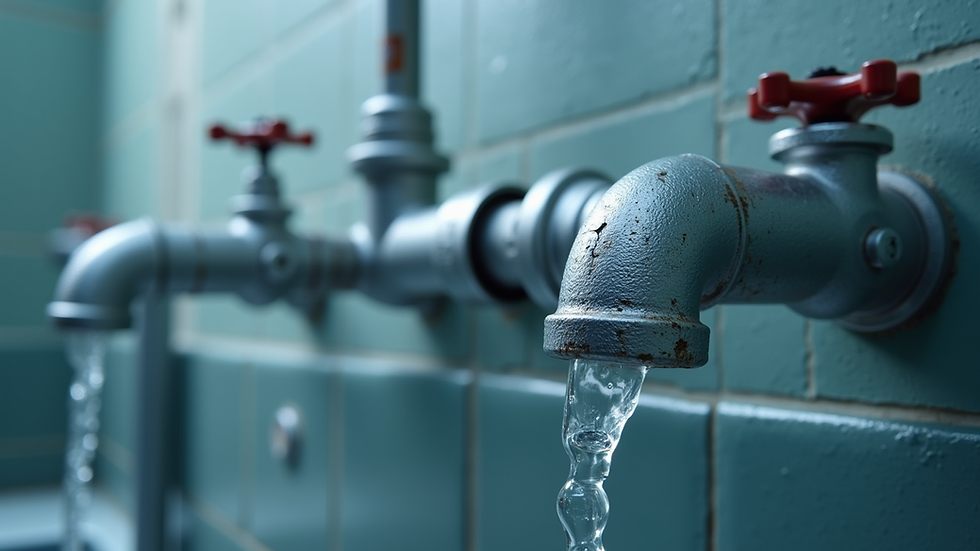
Understanding Your Plumbing System
Before diving into maintenance tips, it’s crucial to understand the basics of your plumbing system. Your home’s plumbing consists of two main systems: the supply system and the drainage system.
Supply System
The supply system brings fresh water into your home. It includes:
Pipes: Typically made of copper, PVC, or PEX.
Valves: Control water flow and pressure.
Fixtures: Sinks, toilets, and showers.
Drainage System
The drainage system removes wastewater from your home. It consists of:
Drain Pipes: Carry waste away from fixtures.
Traps: Prevent sewer gases from entering your home.
Vent Pipes: Allow air into the plumbing system to maintain proper pressure.
Understanding these components will help you identify potential issues and perform effective maintenance.
Regular Inspections
Conducting regular inspections of your plumbing system is the first step in preventing costly repairs. Here’s how to do it:
Visual Checks
Look for Leaks: Check under sinks, around toilets, and near water heaters for any signs of moisture.
Inspect Pipes: Look for corrosion, rust, or any unusual bulges in your pipes.
Examine Fixtures: Ensure faucets and showerheads are not dripping.
Listen for Sounds
Banging Pipes: This could indicate water hammer, which may require adjustments to your plumbing.
Dripping Sounds: A constant dripping sound may point to a leak that needs immediate attention.
Smell for Odors
Sewer Smells: A foul odor could indicate a problem with your drainage system, such as a blocked vent or a broken trap.
Seasonal Maintenance Tasks
Performing seasonal maintenance tasks can help keep your plumbing in top shape. Here are some essential tasks to consider:
Winter Preparation
Insulate Pipes: Protect exposed pipes from freezing temperatures by wrapping them with insulation.
Shut Off Outdoor Faucets: Drain and disconnect hoses to prevent freezing and bursting.
Spring Cleaning
Check for Clogs: Clear any debris from gutters and downspouts to prevent water from backing up into your home.
Inspect Sump Pumps: Test your sump pump to ensure it’s functioning properly before the rainy season.
Summer Checks
Monitor Water Usage: Keep an eye on your water bill for any sudden increases that could indicate a leak.
Inspect Sprinkler Systems: Check for leaks or broken heads in your irrigation system.
Fall Maintenance
Flush Water Heaters: Remove sediment buildup by flushing your water heater, which can improve efficiency and extend its lifespan.
Check for Tree Roots: Inspect your yard for any tree roots that may be encroaching on your sewer lines.
Drain Maintenance
Clogged drains are a common plumbing issue that can lead to more significant problems if not addressed. Here are some tips for maintaining your drains:
Use Drain Screens
Installing drain screens in sinks and showers can prevent hair, food particles, and debris from entering your pipes.
Regular Cleaning
Baking Soda and Vinegar: Pour a cup of baking soda followed by a cup of vinegar down your drains monthly to help break down buildup.
Hot Water Flush: Regularly flushing your drains with hot water can help keep them clear.
Avoid Chemical Drain Cleaners
While they may seem like a quick fix, chemical drain cleaners can damage your pipes over time. Instead, opt for natural methods or consult a professional plumber for stubborn clogs.
Water Heater Maintenance
Your water heater is a vital component of your plumbing system, and regular maintenance can prevent costly repairs. Here’s what to do:
Check the Temperature
Set your water heater to 120°F (49°C) to prevent scalding and reduce energy costs.
Inspect the Anode Rod
The anode rod helps prevent corrosion inside the tank. Check it annually and replace it if it’s less than 1/2 inch thick.
Flush the Tank
Flushing your water heater once a year removes sediment buildup, improving efficiency and extending its lifespan.
Toilet Maintenance
Toilets are often overlooked, but regular maintenance can prevent leaks and clogs. Here are some tips:
Check for Leaks
Add a few drops of food coloring to the tank. If the color appears in the bowl within 30 minutes, you have a leak that needs fixing.
Clean the Bowl
Use a toilet bowl cleaner and a brush to keep the bowl clean and prevent mineral buildup.
Inspect the Flapper
The flapper is a rubber valve that controls water flow from the tank to the bowl. If it’s worn or damaged, it can cause leaks. Replace it if necessary.
Faucet and Showerhead Maintenance
Faucets and showerheads can accumulate mineral deposits over time, affecting water flow. Here’s how to maintain them:
Clean Aerators and Showerheads
Remove aerators and showerheads periodically to clean them. Soak them in vinegar to dissolve mineral deposits.
Check for Leaks
Inspect for any signs of dripping or leaking. Replacing washers or O-rings can often resolve these issues.
Know When to Call a Professional
While routine maintenance can prevent many plumbing issues, some situations require professional help. Here are signs that you should call a plumber:
Persistent Leaks: If you can’t locate the source of a leak or it continues despite your efforts.
Low Water Pressure: A sudden drop in water pressure may indicate a blockage or leak in the system.
Unpleasant Odors: Foul smells that persist could indicate a serious issue in your drainage system.
Conclusion
Routine maintenance is essential for preventing costly plumbing repairs. By understanding your plumbing system, conducting regular inspections, and performing seasonal maintenance tasks, you can keep your home’s plumbing in excellent condition. Remember to address minor issues promptly and know when to call a professional. Taking these steps will not only save you money but also ensure your home remains a comfortable and safe place to live. Start your maintenance routine today and enjoy peace of mind knowing your plumbing is in good shape.


Comments